Creating awareness around Psychological Safety
"Data driving conversations teams need to have"
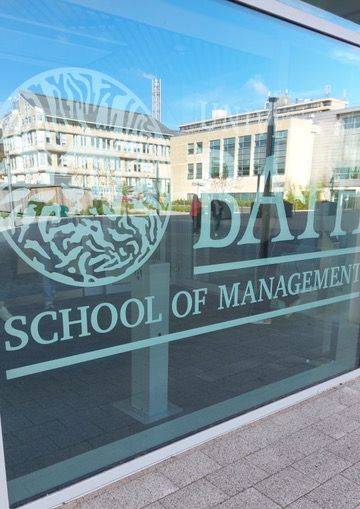
Client Name - Bath University.
I have real empathy for leaders who do not fully understand the concept of psychological safety. While it’s been around in research papers for decades, the first mainstream article appeared in the New York Times in 2016 summarising how Google discovered it was the most important ingredient for high performance; the first book was published in 2018, The Fearless Organisation, and as it enter corporate culture it often misunderstood, misconstrued, or worse weaponised.
So when Bath University approached me to run a session with their MBA cohorts in 2024 and 2025 I was blown away by their desire to ensure leaders had this in their skillset together with all the great learnings an MBA brings.
The Challenge?
MBA cohorts are rightly focused on core and elective modules to gain experience and knowledge for their future careers. The make the year together most effective, for colleagues from different cultures and parts of the world, setting the right tone for learning is critical.
Bespoke Diagnostic
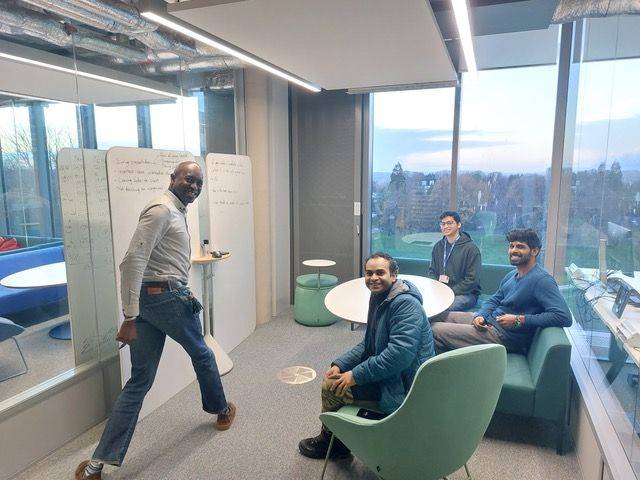
5 cohorts of colleagues, with interactive session covering:
- What psychological safety is and what it is not.
- The real consequences when colleagues do not feel safe to speak up with concerns and ideas, the risk of groupthink, and a success story of when it works - featuring NASA, Netflix and Blackberry cases.
- Live experiments that activate the amygdala hijack
- Leadership traits that build psychological safety
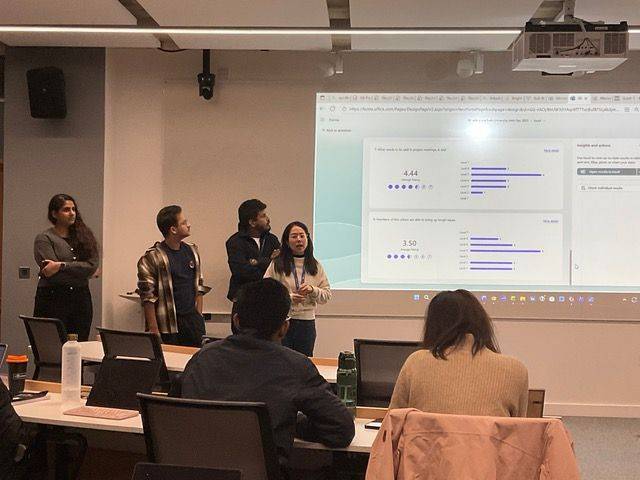
- Live measurement of psych safety in the room
- Working session with 4 teams across the 4 domains of psych safety – willingness to help; inclusion; attitude to risk and failure, open conversations
The Result?
The cohort combined the data and their lived experience of the dynamics amongst themselves as a group including two big themes:
- Cultural differences, language barrier and the pace of sessions causing exclusion
- Due to only being together for a short number of weeks, individuals strengths and talents were not yet well known
These insights led to commitments to slow the pace of meetings; reduction of jargon; active listening and reminders to “contract” for this at the start of breakouts sessions in MBA classes.
Dedicate time to rapport building, appreciating each other’s cultures and getting clear on the superpowers within the cohort as a way of leveraging each other’s strengths.
Keen to discover more on the impact of investing in the psychological safety within your team/organisation?
Get access to proven system to empower fearless conversations in your organisation/team.
Book An Exploratory Discussion